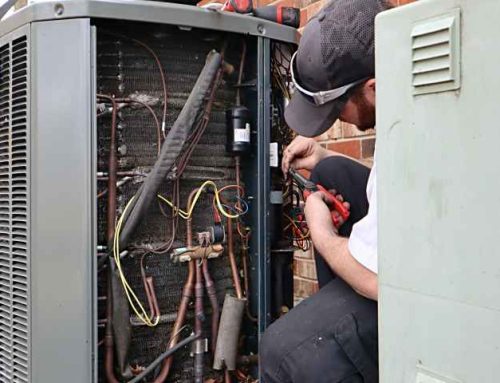

A new heating and cooling system is a major investment. When an HVAC company promises ten years of free maintenance, ten years of parts coverage, and ten years of free labor, the offer may sound too good to pass up.
These plans are sometimes called “10-10-10 warranties.” They promise:
- 10 years of free maintenance
- 10 years of parts coverage
- 10 years of labor coverage
A strong warranty can provide real value. However, homeowners should look closely at any company promising ten years of almost everything for free. Before signing a contract, ask how the company will afford to provide all those services for the next decade.
Free service still costs someone money
An HVAC maintenance visit requires a trained technician, a service vehicle, fuel, tools, insurance, office support, and time. The company must pay these expenses even when the customer is not charged for the visit.
Labor also costs money. If a technician spends several hours diagnosing and repairing a system, the company must pay that technician. The company may also have expenses for travel, scheduling, equipment, and administration.
A business cannot provide unlimited service without collecting enough money to cover these costs. If the original installation price does not include enough money to fund ten years of future work, the promise may not be financially sustainable.
Where will the money come from?
Suppose a company installs thousands of systems with ten years of free maintenance and labor. Every installation creates a future obligation.
As those systems age, they will usually require more attention—not less. Maintenance visits continue, and repair calls may become more common. The company could eventually have thousands of customers expecting free service while the business receives little or no revenue for doing the work.
That raises an important question:
How will the company pay its technicians and operating expenses five, seven, or ten years from now?
If the company cannot provide a clear answer, the warranty deserves closer examination.
Rapid sales growth can hide future obligations
Some HVAC companies use unusually generous warranties to increase sales quickly. Rapid growth can make a company look successful, especially when its owners are preparing to sell the business.
A large number of installations and customers may make the company more attractive to a potential buyer. However, the sales numbers do not always tell the whole story. Each “free for ten years” agreement may also represent years of unpaid work.
A buyer will examine those obligations. If the cost of honoring them is too high, the buyer may change the program, limit coverage, impose new conditions, or dispute what the original company promised.
This does not mean every company offering a long warranty plans to sell. It does mean homeowners should investigate how the promises are funded and what happens if ownership changes.
The original company may not be there in ten years
Ten years is a long time for any local business. During that period, a company could:
- Be sold to another owner
- Merge with a larger organization
- Stop offering residential service
- Close its doors
- Declare bankruptcy
- Change the terms of its maintenance program
A written promise is only useful when there is a financially healthy and responsible company available to honor it.
If the original contractor closes, the manufacturer may still honor qualifying parts coverage. However, a manufacturer’s parts warranty usually does not guarantee free labor, maintenance, diagnostic charges, refrigerant, travel, or other services.
A new owner may not honor the old agreement
When one company buys another, customers often assume that every old promise will continue unchanged. That is not always guaranteed.
The outcome depends on the sale agreement, the warranty contract, applicable law, and whether money was reserved to pay for future service. A buyer may not have received enough funding to perform years of free maintenance and labor.
Even when a new owner tries to help existing customers, honoring every long-term agreement may be financially difficult. The new company could add fees, narrow the coverage, enforce previously overlooked exclusions, or discontinue parts of the program.
Homeowners should never rely only on a salesperson’s verbal statement that “the warranty will always be honored.” Get the details in writing.
“Ten-year warranty” may not mean everything is covered
Read the complete agreement before buying. Look for exclusions, limits, and customer responsibilities.
Ask questions such as:
- Is every repair covered, or only certain components?
- Are diagnostic and service-call charges included?
- Is refrigerant included?
- Are after-hours and emergency calls covered?
- Does labor coverage include removing and replacing the defective part?
- Is maintenance really free, or are filters, cleaning, and other materials extra?
- Must maintenance be performed on a strict schedule?
- Can one missed visit cancel the warranty?
- Is the agreement transferable when the home or company is sold?
- What happens if the installing contractor closes?
- Is there a separate insurance company backing the labor warranty?
- Are funds reserved specifically for future maintenance and repairs?
If the answers are unclear, ask for clarification before signing.
Be careful with companies working for pennies on the dollar
A company may initially perform the promised maintenance and warranty work. However, if it collects little or no money for those visits, the work can become a financial burden.
That pressure may lead to rushed appointments, limited scheduling, frequent upselling, or arguments about whether a repair is covered. In some cases, customers may wait longer because paying service calls receive priority.
A warranty should not only look impressive on paper. It should be supported by a business model that makes it possible to provide dependable service.
What should homeowners look for?
Choose an HVAC company based on more than the length of its warranty. Look for:
- A long and stable local history
- Clear written warranty terms
- Proper licenses and insurance
- Trained technicians
- Good communication
- Reasonable response times
- Honest pricing
- Verifiable customer reviews
- A clear explanation of who backs each warranty
- A maintenance plan the company can realistically support
A shorter, clearly written warranty from a stable company may provide more protection than an impressive ten-year promise from a company whose plan does not appear financially sustainable.
The bottom line
A “10-10-10” HVAC warranty can sound like complete peace of mind. But homeowners should ask how ten years of free maintenance and labor will be funded.
No business can continually pay technicians, operate service vehicles, and provide repairs without receiving enough revenue to cover those costs. If the numbers do not make sense, the promise may not last as long as the equipment.
Before purchasing, read the entire contract, separate the manufacturer’s warranty from the contractor’s promises, and ask what happens if the contractor is sold or closes.
Choose a company that offers realistic commitments, dependable service, and straightforward answers. A warranty is valuable only when someone is still willing and able to honor it.