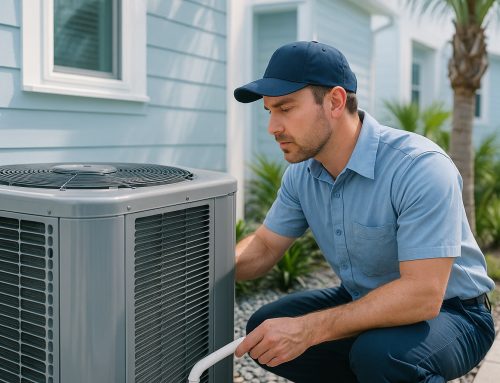
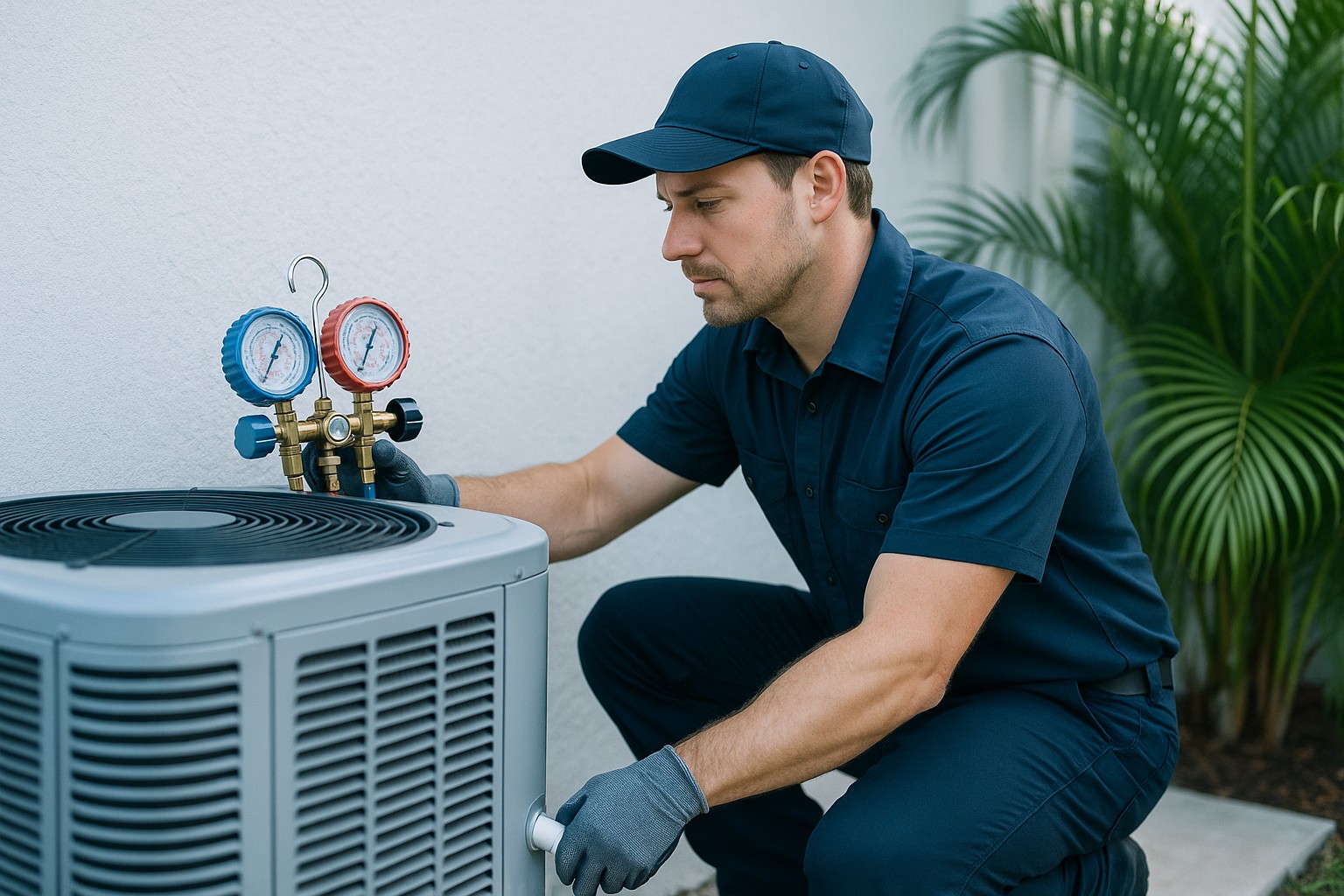
In West Central Florida, air conditioning is not a luxury. It is how you protect your home from heat, humidity, and the wear and tear that comes with long cooling seasons. Routine HVAC maintenance keeps your system moving air, shedding moisture, and running efficiently so you stay comfortable when it matters most.
Why Florida’s climate is hard on AC systems
Our climate combines high temperatures with high humidity. Your HVAC system cools the air and removes moisture at the same time. That dual job means longer run times, more condensate draining, and higher stress on components. Salt air near the coast and windblown debris can also collect on outdoor coils. Without regular attention, small issues grow into hot rooms, sticky air, and unexpected breakdowns.
Humidity control starts with clean coils and clear drains
When warm, moist air passes over the indoor evaporator coil, the coil gets cool and moisture condenses into water. That water should flow freely through the condensate pan and drain line to the outside. If the line slows or clogs, you can get water around the air handler, safety switch shutdowns, or even microbial growth inside the drain system.
- Keep an eye on the area around your indoor unit. If you see water, call for service.
- A professional can clear and flush the drain line, confirm proper slope, and check the safety float switch that helps prevent overflow.
- Clean indoor coils let moisture come off the air more effectively, which helps the system dehumidify and cool more evenly.
The outdoor condenser coil needs care too. Dirt, grass clippings, and coastal residue make the coil less effective at releasing heat. With power off, gently rinsing the outside fins can help between professional visits. Deep coil cleaning and fin straightening should be left to a technician to avoid damage.
Filters and airflow: small habit, big impact
Airflow is the foundation of comfort and efficiency. A clogged or overly restrictive filter makes the system work harder, which can raise energy use and reduce cooling capacity. In Florida’s peak season, filters tend to load up faster because your system runs more hours.
- Check your filter regularly and replace it when it looks dirty, rather than waiting for a set date.
- Use a filter type and MERV rating recommended by your equipment manufacturer. Higher is not always better if it restricts airflow.
- Keep supply and return vents open and unblocked by furniture, rugs, or drapes.
If your AC struggles to keep up or you notice weak airflow, it could be as simple as a filter or as complex as a duct or blower issue. For common symptoms like rooms feeling warm even though the system is running, visit our guide Why Is My AC Blowing Warm Air?.
Efficiency you can feel on your utility bill
Your system was designed to hit specific performance targets when everything is clean, charged, and moving air properly. When filters, coils, and drains are maintained, the compressor and fans do not have to work as hard to deliver the same cooling. Technicians also verify refrigerant charge, blower speed, and thermostat operation so the equipment performs as intended. The result is steadier temperatures, better humidity control, and more predictable energy use.
Reliability through Florida’s longest cooling stretches
Preventing the unexpected is a big part of HVAC maintenance in Florida. Long run times magnify small weaknesses. A weak capacitor, a pitted contactor, loose electrical connections, or an overworked fan motor can cause nuisance trips or full system failures at the worst time. During a professional visit, your technician can spot these developing issues and address them before they interrupt your comfort.
What a professional maintenance visit typically includes
Every home and system is a little different, but a thorough visit in our climate often includes:
- Checking system temperatures, static pressure, and airflow for proper operation
- Inspecting and cleaning indoor and outdoor coils as needed
- Clearing and testing the condensate drain and safety devices
- Testing electrical components like capacitors, contactors, and relays
- Verifying refrigerant levels using superheat and subcool readings
- Confirming thermostat settings, blower speed, and overall system cycling
- Reviewing filter condition and discussing the right replacement type and size
If you like to plan ahead and keep track of service, explore our Care Plans for straightforward ways to stay on top of maintenance.
Simple homeowner steps between visits
- Keep at least 18 inches of clearance around your outdoor unit. Trim shrubs and remove debris that could block airflow.
- Check your air filter regularly and replace when dirty.
- Look for signs of moisture around the indoor unit and call if you see water.
- Set realistic thermostat targets. Large swings force longer run times and can leave the home feeling humid.
- After storms, clear leaves and branches from the outdoor coil and ensure panels are secure.
For a helpful homeowner checklist before any service visit, see our tips here: Tips for having your home HVAC serviced.
When should Florida homeowners schedule maintenance?
There is no one perfect date for every home. Many Florida homeowners like to schedule a checkup before the hottest months so the system is clean and ready to run, and some prefer a second look after the heaviest use or storm season. The right timing depends on how much your system runs, whether you have pets or construction dust, and your equipment’s age. If your home feels sticky, rooms are uneven, or your bills are climbing, that is a good reason to schedule a visit sooner rather than later.
Signs your AC needs attention now
- Longer run times or the system runs but struggles to cool
- Humidity feels high indoors or windows fog
- Unusual noises or burning or musty odors
- Water around the air handler or drain line outlet
- Higher energy bills without a change in usage
Protect comfort, protect your home
Routine HVAC maintenance in Florida is about more than cooling the air. It is about managing moisture so your home stays comfortable and protected. Clean filters and coils, clear condensate drains, proper airflow, and a trained eye on electrical and refrigerant components all work together to keep your system reliable. A little attention now helps you avoid big surprises when the heat index climbs.
If you are ready to get your system in shape for Florida’s heat and humidity, our team at Comfort Airz is here to help. Reach out with questions or to schedule service at Contact Us.