In West Central Florida, air conditioning is not a luxury. It is the heartbeat of a comfortable home for most of the year. The combination of long cooling seasons, salty coastal air in some areas, and high humidity means your system works harder and faces unique challenges. Routine HVAC maintenance helps your equipment handle those conditions, keeps energy use in check, and reduces the odds of mid-season surprises.
Why Florida homes need routine HVAC care
Our climate puts unusual demands on residential HVAC. Understanding how Florida heat and humidity affect your system explains why regular attention pays off.
Heat load and runtime
High outdoor temperatures increase the load on your air conditioner. The hotter it gets, the longer your system needs to run. Long runtimes magnify the impact of small issues. A slightly dirty coil, a weak capacitor, or a partially clogged filter can turn into warm rooms and uncomfortable afternoons. Routine maintenance brings those small issues to light before they grow.
Humidity and condensate management
Your AC cools the air and removes moisture at the same time. That moisture turns into water on the evaporator coil and drains through a condensate line. In Florida, that line can carry gallons of water on a busy day. Warm, wet conditions also encourage algae and biofilm that can clog the drain. When the line backs up, you may see water around the air handler, a musty smell, or the system may shut off if a safety float switch trips. Keeping the drain clear is a maintenance must here.
Airflow and filtration basics for Florida
Airflow is the lifeblood of your HVAC system. When airflow is restricted, coils can freeze, compressors strain, and comfort suffers.
- Filters: Check filters regularly, especially during heavy use, and replace when visibly dirty. Choose a filter that balances capture efficiency with system airflow. Very high MERV filters can be restrictive for some systems if the return is small or the blower is undersized.
- Open vents and returns: Keep supply registers and the main return free of furniture, rugs, or curtains. Closing too many vents can increase static pressure and reduce airflow where you need it most.
- Duct health: Leaky or undersized ducts are common comfort killers. If some rooms are hot while others are cold, or you hear whistling at registers, a professional can test for duct leaks and correct them.
Efficiency you can feel
Maintenance supports efficiency in practical ways. Clean coils transfer heat better. Proper refrigerant charge helps the system run as designed. Free-flowing drains prevent shutdowns. Correct blower speed and clean blower wheels help air move quietly and consistently. The result is steadier temperatures, fewer humidity swings, and energy use that matches your expectations.
Reliability and prevention
Florida’s long cooling season amplifies wear on electrical parts like capacitors, contactors, and fan motors. Catching weak components during a checkup is far better than discovering them on a sweltering Saturday. Maintenance helps prevent ice-ups from low airflow, reduces nuisance water leaks from clogged drains, and gives you time to plan for repairs instead of scrambling in an emergency.
What a professional maintenance visit typically covers
Every company has its own process, but a thorough tune-up in Florida commonly includes:
- Inspecting and clearing the condensate drain and checking the safety float switch
- Cleaning or washing accessible coils as needed
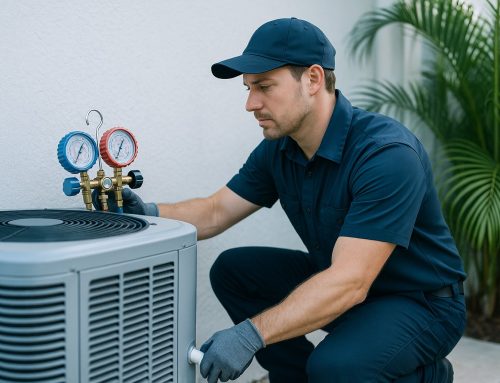
- Checking refrigerant pressures and temperatures to evaluate charge
- Measuring electrical components like capacitors, contactors, and motor amperage
- Verifying blower operation, belt condition if applicable, and airflow
- Inspecting duct connections and looking for obvious air leaks
- Checking thermostat operation and system cycling
- Reviewing filter fit and recommendations for your home
If you want tips on preparing for a visit and questions to ask, see our guide: Tips for having your home HVAC serviced.
What homeowners can safely do
- Keep filters fresh: Inspect regularly and replace when dirty. Mark the filter size and keep a spare on hand.
- Flush the condensate line: Periodically pour a small amount of distilled white vinegar into the drain access to discourage algae. If you see water around the air handler or the drain pan, call a pro.
- Clear the outdoor unit: Trim back plants and keep at least a couple of feet of open space around the condenser for airflow. Gently rinse debris from the coil with a garden hose. Do not use a pressure washer and always keep water away from electrical panels.
- Keep vents and returns open: Avoid blocking registers and the main return. Balanced airflow supports comfort and helps prevent coil icing.
- Set the thermostat to Auto: Using Auto instead of On helps the system dehumidify more effectively and prevents re-evaporation of moisture on the coil.
Signs your system needs attention
- AC runs but the air feels warm or barely cool. Learn more in Why Is My AC Blowing Warm Air?
- Water around the indoor unit, a musty odor, or gurgling near the drain line
- Ice on the refrigerant line or visible frost on the indoor coil
- Unusually high humidity indoors, sticky walls, or clammy comfort
- Short cycling, frequent breaker trips, or new rattles and buzzes
- Hot and cold spots that were not there before
How often should maintenance be scheduled?
Florida systems operate for much of the year, so many homeowners choose a checkup before the peak cooling season, and some add another visit later in the year. Your home’s age, equipment type, and how heavily you run the system can guide the right cadence. If you are in Pasco or northern Hillsborough, you can explore local options here: Preventative HVAC Maintenance in Wesley Chapel, FL.
Coastal considerations
Near the Gulf, salt in the air can accelerate corrosion on outdoor coils and cabinet hardware. Gentle rinsing of the condenser, attention to fasteners, and regular inspections become even more important. If your system is within a few miles of the coast, talk with your technician about protective coatings or simple care steps that fit your setup.
The bottom line
Routine HVAC maintenance in Florida is less about checklists and more about preventing the specific issues our climate creates. Clear drains keep water where it belongs. Clean filters and coils keep air moving and comfort steady. Electrical checks catch small wear before it becomes a big outage. And consistent care helps your system deliver the cool, dry air that makes home feel like a refuge in the summer.
Ready for a smoother season? If you have questions or want help tailoring a plan to your home, our team is here to help. Contact Comfort Airz to get started.